
Table of Contents
ToggleA top home sweet home starts with intention. It’s not about expensive furniture or magazine-worthy rooms. It’s about creating a space that feels like yours, a place where you can exhale at the end of the day.
The phrase “home sweet home” has stuck around for centuries because it captures something universal. People crave comfort, warmth, and belonging. Whether someone lives in a studio apartment or a sprawling farmhouse, the goal remains the same: make it feel like home.
This guide covers practical ideas for achieving that cozy, inviting atmosphere. From décor choices to personal touches, these tips help transform any house into a true home sweet home.
Key Takeaways
- A top home sweet home is about creating emotional comfort and personal connection, not expensive furniture or perfect décor.
- Layer lighting with warm-toned bulbs, add soft textures like throw blankets and plush rugs, and incorporate natural elements to boost coziness.
- Personal touches like family photos, travel souvenirs, and signature scents transform generic spaces into meaningful home sweet home environments.
- Home sweet home décor options range from rustic wooden signs and doormats to embroidered pillows and seasonal wall art for year-round warmth.
- Declutter first, then focus on creating at least one dedicated comfort zone designed purely for relaxation.
- Build daily rituals around your space—morning coffee routines, family dinners, or evening wind-downs—to strengthen your emotional connection to home.
What Does Home Sweet Home Really Mean?
The expression “home sweet home” dates back to the early 1800s. American actor John Howard Payne wrote a song called “Home. Sweet Home.” in 1823. The lyrics struck a chord with audiences, and the phrase became part of everyday language.
At its core, home sweet home describes the emotional connection people have with their living spaces. A house provides shelter. A home sweet home provides comfort, safety, and a sense of identity.
This distinction matters. Four walls and a roof don’t automatically create warmth. The feeling comes from how people arrange, decorate, and use their spaces. A home sweet home reflects the personalities and values of the people who live there.
For some, it means a kitchen filled with the smell of baking bread. For others, it’s a reading nook with good lighting and a stack of favorite books. The specific details vary, but the underlying principle stays consistent: a home sweet home makes people feel at ease.
Best Ways to Create a Home Sweet Home Atmosphere
Creating a home sweet home atmosphere requires attention to both visual elements and emotional resonance. The following strategies help achieve that warm, welcoming feeling.
Cozy Décor Elements
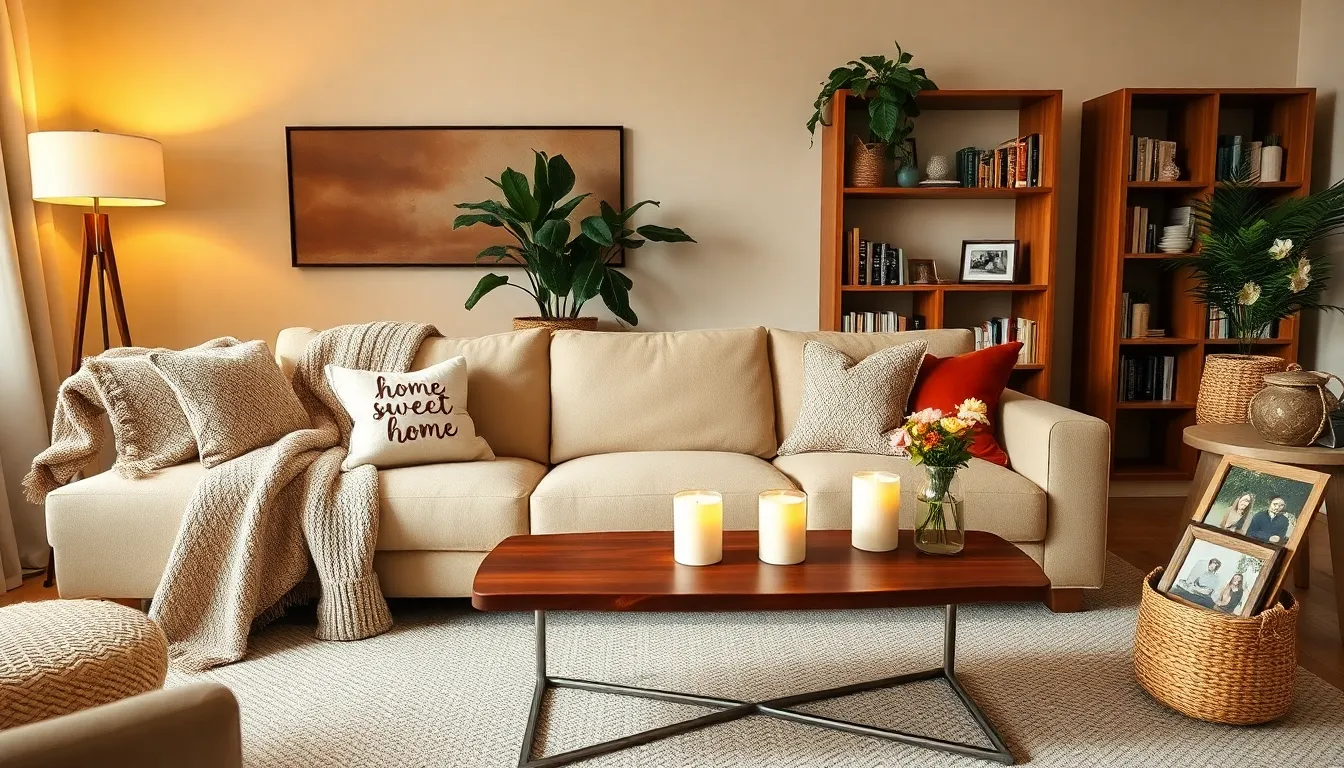
Texture plays a huge role in coziness. Soft throw blankets draped over sofas invite people to curl up. Plush rugs underfoot create warmth in rooms with hard flooring. Velvet pillows add visual interest and tactile comfort.
Lighting matters too. Harsh overhead lights can make spaces feel clinical. Instead, layer lighting with table lamps, floor lamps, and candles. Warm-toned bulbs (2700K-3000K) create a softer glow than cool white options.
Natural elements bring life into any room. Houseplants purify air and add color. Wooden furniture and woven baskets introduce organic textures. Even a small vase of fresh flowers can shift a room’s energy.
Color choices affect mood significantly. Warm neutrals like beige, cream, and soft gray create calm backgrounds. Accent colors in earthy tones, terracotta, sage green, mustard yellow, add personality without overwhelming the space.
Personal Touches That Matter
A home sweet home reflects the people who live there. Generic décor from big-box stores can look nice, but personal items tell stories.
Family photos displayed in quality frames connect past and present. Travel souvenirs remind people of adventures. Handmade items, whether from a local artisan or a child’s art project, add character no store can replicate.
Books say something about residents too. A well-stocked bookshelf reveals interests and invites conversation. Even people who primarily read digital books can display a few meaningful titles.
Scent creates powerful associations. A signature home scent, whether from candles, diffusers, or fresh-baked cookies, becomes part of the home’s identity. Guests remember how a place smells long after they leave.
Popular Home Sweet Home Décor and Signage
Home sweet home décor has become a category of its own. Signs, wall art, and decorative items featuring this phrase appear in countless styles.
Wooden signs remain popular choices. Rustic farmhouse versions use distressed wood and hand-painted lettering. Modern interpretations feature clean fonts on sleek backgrounds. Some homeowners prefer vintage-style metal signs for an industrial touch.
Wall art options extend beyond traditional signs. Canvas prints, framed typography, and even neon lights spell out home sweet home in creative ways. Customized versions include family names or addresses for added personalization.
Doormats bearing the phrase greet visitors before they step inside. Welcome mats set expectations, this is a warm, friendly space. Quality doormats serve both decorative and functional purposes.
Throw pillows embroidered with home sweet home add cozy messaging to sofas and beds. These work well as accent pieces without dominating a room’s design.
Seasonal variations let homeowners refresh their home sweet home décor throughout the year. Fall versions might incorporate pumpkins and leaves. Winter designs add snowflakes or evergreen motifs. This approach keeps spaces feeling current while maintaining that core message of warmth and welcome.
Simple Tips for Making Any House Feel Like Home
Not everyone has the budget for major renovations or designer furniture. These practical tips help create a home sweet home feeling without very costly.
Declutter first. Stuff creates stress. Before adding new items, remove what no longer serves a purpose. A clean, organized space feels more peaceful than a cluttered one, regardless of its size.
Focus on comfort zones. Every home needs at least one spot designed purely for relaxation. This might be a comfortable chair by a window, a corner of the couch with good pillows, or a bed made with quality linens.
Make entrances welcoming. First impressions matter. A clean doormat, a hook for keys, and adequate lighting make coming home pleasant. Small changes at entry points create big impacts.
Add warmth literally. Physical warmth contributes to emotional warmth. Soft rugs, cozy blankets, and working heating systems matter. In summer, good airflow and fans keep spaces comfortable.
Create routines around the space. A home sweet home isn’t just about objects, it’s about how people live. Morning coffee in a favorite mug, evening walks around the neighborhood, Sunday dinners at the table. These rituals build emotional connections to physical spaces.
Invest in quality where it counts. A good mattress, a comfortable couch, adequate lighting, these daily-use items deserve investment. Skimp on decorative objects if necessary, but don’t compromise on comfort basics.


