
Table of Contents
ToggleA house becomes a home sweet home when it reflects the people who live in it. The walls, furniture, and small details all work together to create a feeling of comfort and belonging. Many people move into a new space and wonder how to transform it into something that feels truly theirs.
The good news? Creating a home sweet home doesn’t require a massive budget or professional interior design skills. It starts with intentional choices, clearing clutter, adding personal items, and building spaces that invite relaxation. This guide covers practical steps to help anyone turn their living space into a place they actually want to come back to every day.
Key Takeaways
- A home sweet home starts with decluttering and organizing—remove items that no longer serve a purpose and create storage systems that make daily life easier.
- Add personal touches like photographs, meaningful art, and collections to transform generic spaces into something that reflects your story.
- Create cozy living areas with thoughtful furniture arrangement, soft textiles, and comfortable temperatures that make you want to relax.
- Use layered lighting with ambient, task, and accent sources to set the right mood, and introduce pleasant scents through candles or fresh flowers.
- Build meaningful routines and shared experiences within your space—these memories are what truly turn a house into a home sweet home.
Start With a Clean and Organized Space
A cluttered space creates a cluttered mind. Before adding any decorations or furniture, the first step toward a home sweet home is cleaning and organizing what already exists.
Start by removing items that no longer serve a purpose. Old magazines, broken appliances, and clothes that haven’t been worn in years take up physical and mental space. Donate or discard these items to create room for things that matter.
Once the excess is gone, create storage systems that work. Baskets, shelving units, and drawer organizers keep everyday items accessible but out of sight. A clean counter or a tidy entryway immediately makes a space feel more welcoming.
Deep cleaning also plays a role here. Dust the corners, wash the windows, and scrub the floors. Fresh surfaces make rooms feel brighter and more inviting. People often underestimate how much clean air and light can change the energy of a room.
Organization isn’t about perfection, it’s about function. A home sweet home has systems that make daily life easier. When everything has a place, residents spend less time searching for keys or remote controls and more time enjoying their space.
Add Personal Touches That Reflect Your Style
Generic spaces feel like hotel rooms. A true home sweet home tells a story about the people who live there.
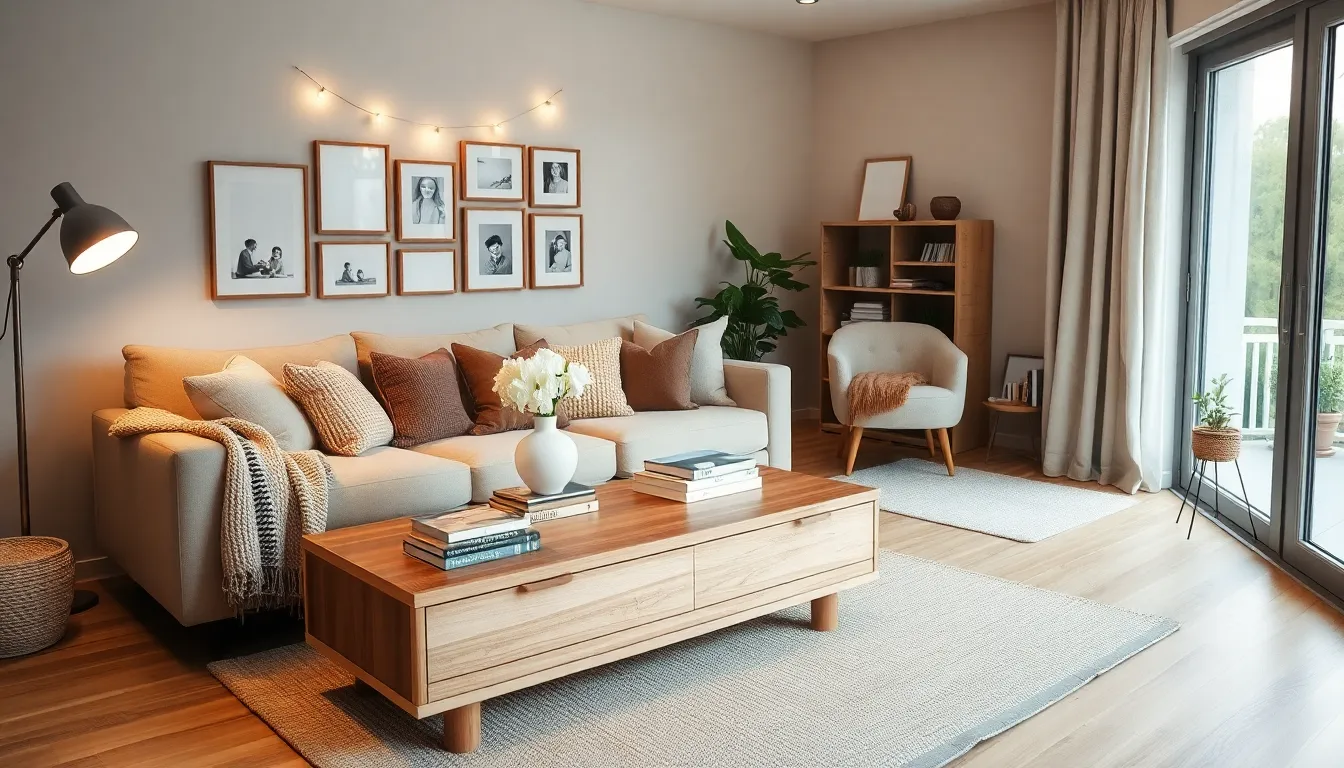
Start with photographs. Frame pictures of family, friends, pets, or favorite travel destinations. These images create instant connection and remind residents of meaningful moments. A gallery wall in the hallway or a few frames on a bookshelf can transform a blank space into something personal.
Art and decor also matter. Choose pieces that spark joy or curiosity, not just items that match the color scheme. A vintage map, a handmade ceramic bowl, or a quirky lamp can add character. The goal is to surround oneself with objects that feel intentional rather than random.
Don’t forget about collections. Books, plants, vinyl records, or travel souvenirs all add personality. Display them proudly. These items show interests and hobbies, making the space feel lived-in and authentic.
Even small details count. A favorite mug by the coffee maker, a cozy throw blanket on the couch, or fresh flowers on the dining table, these touches signal that someone cares about this space. A home sweet home reflects its residents’ tastes, memories, and values.
Create Cozy and Comfortable Living Areas
Comfort transforms a house into a home sweet home. People should want to sink into their couch, curl up in a reading nook, or gather around the kitchen table.
Furniture arrangement matters more than most people realize. Position seating to encourage conversation rather than just pointing everything at the TV. Create distinct zones for different activities, a spot for reading, a corner for work, and a gathering area for socializing.
Textiles add instant warmth. Soft rugs underfoot, plush cushions on chairs, and layered blankets on sofas make spaces feel inviting. Choose fabrics that feel good against the skin. Velvet, cotton, and wool all bring different textures that add visual and tactile interest.
Temperature plays a role too. A home sweet home feels comfortable year-round. In winter, thick curtains and draft stoppers keep warmth inside. In summer, fans and light fabrics help everyone stay cool. Physical comfort directly impacts how relaxed people feel in their own space.
Finally, consider the flow of movement. Can people walk easily from room to room? Is there space to stretch out? Cramped or blocked pathways create frustration. Open, breathable layouts feel more peaceful and livable.
Incorporate Warm Lighting and Pleasant Scents
Harsh overhead lights kill the mood instantly. A home sweet home uses layered lighting to create atmosphere.
Start with ambient lighting, the general illumination for a room. Soft white bulbs work better than bright fluorescent ones. Dimmer switches allow residents to adjust brightness based on time of day or activity.
Add task lighting where needed. A desk lamp for work, reading lights by the bed, and under-cabinet lights in the kitchen serve practical purposes while adding visual interest.
Accent lighting brings magic. String lights, candles, and decorative lamps create pockets of warmth throughout a space. Evening hours feel more relaxing when rooms glow softly rather than blaze with artificial brightness.
Scent is equally powerful. The nose connects directly to memory and emotion. A home sweet home smells welcoming, not sterile or stale.
Candles, essential oil diffusers, and fresh flowers introduce pleasant aromas. Popular choices include lavender for relaxation, citrus for energy, and vanilla for warmth. Even simple actions like baking cookies or brewing coffee fill a home with comforting smells.
Avoid overwhelming synthetic fragrances. Subtle, natural scents work best. The goal is a gentle background note that makes people smile when they walk through the door.
Build Meaningful Routines and Memories
A home sweet home isn’t just about physical objects. It’s about what happens within those walls.
Routines anchor daily life. Morning coffee in a favorite spot, Sunday dinners at the table, or Friday movie nights on the couch, these repeated activities create rhythm and predictability. They turn random spaces into places with purpose.
Shared experiences build emotional connection to a home. Host dinners for friends. Celebrate holidays with decorations and traditions. Play board games at the kitchen table. These moments become memories attached to specific rooms and corners.
Even solo routines matter. A morning yoga practice in the living room, an evening bath ritual, or quiet reading time before bed, these habits make a space feel personally meaningful.
Document the memories too. Keep a guestbook for visitors to sign. Create a height chart for growing kids. Save ticket stubs and postcards in a drawer. These small artifacts turn a house into a repository of lived experiences.
Over time, the physical space becomes intertwined with emotional significance. That’s when a house truly becomes a home sweet home, not because of perfect decor, but because of what happened there.


