
Table of Contents
ToggleHome sweet home tools are the foundation of any well-prepared household. Whether someone needs to hang a picture frame, fix a leaky faucet, or tackle a weekend renovation, having the right equipment makes all the difference. Every homeowner benefits from building a solid collection of reliable tools. This guide covers the essential hand tools, power tools, storage solutions, and safety practices that turn a house into a functional, well-maintained home. From hammers to drills, organization tips to protective gear, here’s everything needed to handle common household tasks with confidence.
Key Takeaways
- Building a solid home sweet home tools collection starts with essential hand tools like hammers, screwdrivers, pliers, and tape measures that handle most everyday repairs.
- Cordless drills rank as the most useful power tool for homeowners, offering versatility for driving screws, drilling holes, and using various attachments.
- Choosing power tools from the same manufacturer allows batteries and chargers to work across multiple devices, reducing costs and simplifying storage.
- Proper tool organization—whether through toolboxes, pegboards, or drawer inserts—saves time and extends the lifespan of your home sweet home tools.
- Always wear personal protective equipment like safety glasses, gloves, and hearing protection when operating tools to prevent injuries.
- Recognize your limits and call licensed professionals for electrical work, major plumbing, or structural modifications that exceed DIY skill levels.
Must-Have Hand Tools for Everyday Tasks
A quality set of hand tools forms the backbone of any home sweet home tools collection. These basics handle most daily repairs and minor projects without requiring electricity or batteries.
Hammer: A 16-ounce claw hammer works for driving nails and removing them. It’s versatile enough for hanging artwork, assembling furniture, and light demolition work.
Screwdrivers: A set with both flathead and Phillips head options covers most screw types. Homeowners should keep multiple sizes on hand since screws vary widely.
Pliers: Needle-nose pliers grip small objects in tight spaces. Standard slip-joint pliers handle larger items like pipes and bolts. Both belong in every toolbox.
Adjustable Wrench: This single tool replaces an entire set of fixed wrenches. It adjusts to fit various bolt and nut sizes, saving space and money.
Tape Measure: A 25-foot retractable tape measure handles most home measurements. Accuracy matters for furniture placement, wall hangings, and DIY projects.
Utility Knife: Sharp blades cut through cardboard, rope, drywall, and packaging. Retractable models offer safer storage between uses.
Level: A 24-inch level ensures shelves hang straight and pictures don’t tilt. Digital levels provide extra precision for demanding projects.
These home sweet home tools cost relatively little but deliver years of reliable service. Quality matters, cheap tools break under stress and can cause injuries. Investing in reputable brands pays off through durability and better performance.
Power Tools That Make Home Projects Easier
Power tools transform ambitious projects from exhausting chores into manageable tasks. They save time, reduce physical strain, and produce professional-quality results.
Cordless Drill: This ranks as the most useful power tool for homeowners. It drives screws, drills holes, and handles dozens of attachments. Battery-powered models offer freedom of movement throughout the house and yard. A drill with variable speed settings and a clutch prevents overtightening screws.
Circular Saw: Cutting lumber by hand takes forever. A circular saw slices through boards in seconds. Homeowners building decks, fences, or shelving need this tool.
Jigsaw: Curved cuts require a jigsaw. It handles intricate patterns in wood, plastic, and thin metal. This tool shines for custom trim work and decorative projects.
Random Orbital Sander: Smooth surfaces require proper sanding. This power sander removes material quickly while leaving a swirl-free finish. It prepares wood for painting or staining far faster than hand sanding.
Rotary Tool: A rotary tool with interchangeable bits grinds, polishes, cuts, and engraves. Its compact size reaches spots larger tools cannot access.
When selecting home sweet home tools in the power category, battery platform matters. Choosing tools from the same manufacturer means batteries and chargers work across multiple devices. This approach reduces costs and simplifies storage.
Cordless technology has improved dramatically. Modern lithium-ion batteries hold charges longer and deliver consistent power until depleted. Many homeowners now prefer cordless options over corded alternatives for convenience.
Organizing and Storing Your Home Tool Collection
Proper organization keeps home sweet home tools accessible and in good condition. A scattered collection wastes time during projects and leads to misplaced items.
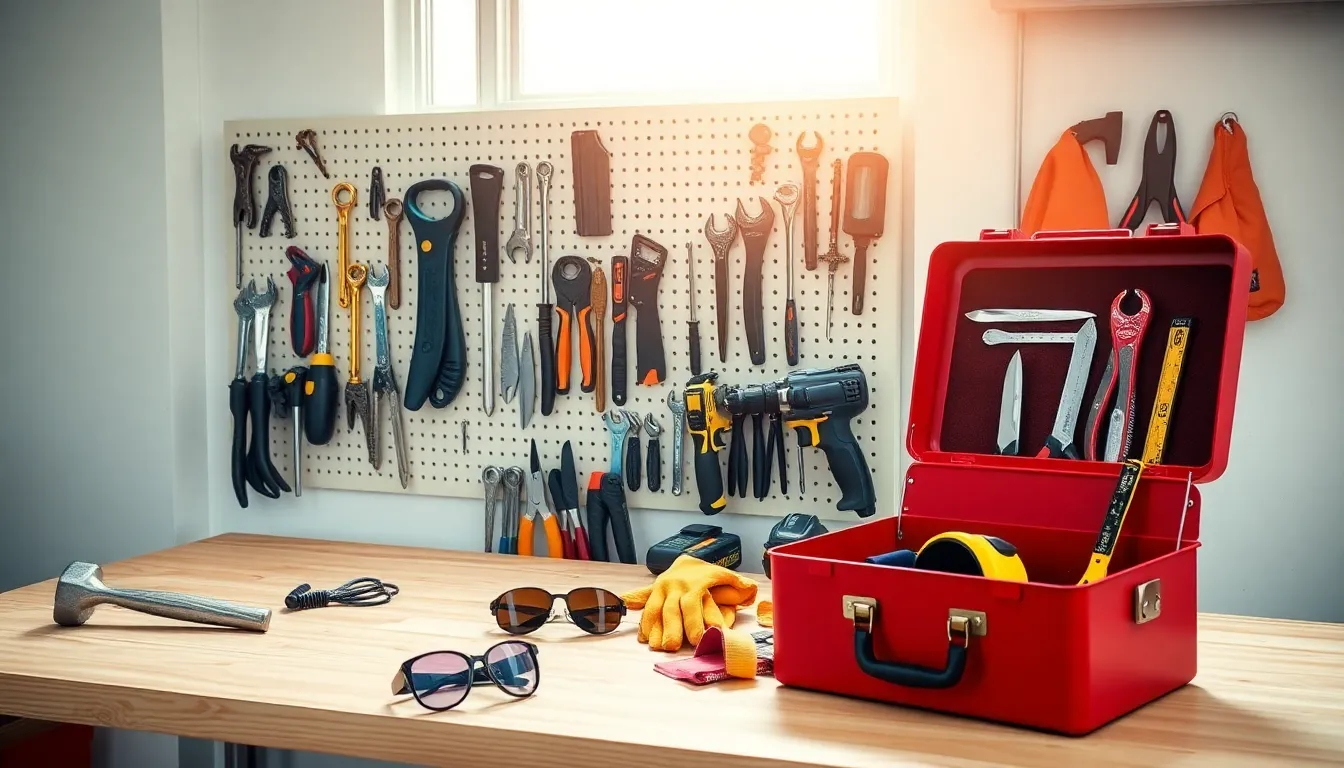
Toolbox Options: A portable toolbox suits small collections and allows transport between locations. Homeowners with growing collections often upgrade to rolling tool chests with multiple drawers. Wall-mounted pegboards display frequently used tools within arm’s reach.
Drawer Organization: Foam inserts with custom cutouts hold tools in designated spots. This system reveals missing items at a glance and prevents damage from tools banging together.
Workshop Setup: Dedicated workshop space, even a garage corner, centralizes tool storage. A workbench provides a stable surface for projects. Overhead storage shelves hold seasonal items and bulk supplies.
Maintenance Habits: Clean tools after each use. Wipe metal surfaces to prevent rust. Apply light oil to moving parts on pliers and adjustable wrenches. Sharp blades work better and last longer than dull ones.
Inventory Tracking: Keeping a simple list of owned tools prevents duplicate purchases. Some homeowners photograph their collection for insurance purposes.
Organized home sweet home tools save money through better maintenance. They also reduce frustration when a specific tool is needed quickly. The few minutes spent returning tools to their proper places pays dividends during future projects.
Safety Tips for Using Home Tools
Home sweet home tools require respect. Injuries happen when users ignore basic safety practices or rush through tasks.
Personal Protective Equipment: Safety glasses protect eyes from flying debris, metal shavings, and wood chips. Work gloves guard hands against splinters, sharp edges, and blisters. Hearing protection matters when operating loud power tools. Dust masks prevent inhalation of sawdust and particles.
Tool Inspection: Check tools before each use. Cracked handles, loose heads, and damaged cords create hazards. Replace worn components rather than risking injury.
Proper Technique: Use each tool only for its intended purpose. A screwdriver makes a poor pry bar. Pliers shouldn’t substitute for wrenches. Misuse damages tools and endangers users.
Secure Workpieces: Clamps hold materials steady during cutting and drilling. Trying to hold workpieces by hand invites accidents. A piece that slips can cause serious injury.
Power Tool Safety: Unplug corded tools before changing blades or bits. Remove batteries from cordless tools during adjustments. Never disable safety guards or features.
Clean Workspace: Clutter causes trips and falls. Sawdust and debris create fire hazards near power tools. Regular cleanup maintains a safe environment.
Know Limits: Some projects exceed homeowner skill levels. Electrical work, major plumbing, and structural modifications often require licensed professionals. Using home sweet home tools responsibly means recognizing when to call for help.


