
Table of Contents
ToggleHome sweet home techniques transform ordinary spaces into places people actually want to be. A welcoming home doesn’t require a massive budget or professional interior design skills. It requires intention, a few smart choices, and an understanding of what makes spaces feel good.
Most people spend roughly 90% of their time indoors. That statistic alone makes the case for creating a home environment that supports well-being and comfort. The good news? Small changes often deliver the biggest impact. From rearranging furniture to adding a few meaningful objects, these home sweet home techniques help anyone build a space that feels genuinely inviting.
Key Takeaways
- Home sweet home techniques start with decluttering—clearing visual noise reduces stress and makes relaxation easier.
- Personal touches like family photos, travel souvenirs, and meaningful objects create warmth that generic decor can’t match.
- Layer multiple light sources and use warm bulbs (2700K-3000K) to build inviting atmosphere throughout your home.
- Signature scents from candles, diffusers, or fresh flowers trigger comfort and create instant recognition when you walk through the door.
- Create intentional comfort zones like reading nooks or meditation corners—they don’t require dedicated rooms, just purposeful spaces.
- Quality bedding and multiple seating options in living areas transform ordinary rooms into true sanctuaries using simple home sweet home techniques.
Declutter and Organize Your Living Spaces
Clutter creates visual noise. The brain processes everything in view, even when people aren’t consciously aware of it. A cluttered room can trigger low-level stress responses, making it harder to relax. Home sweet home techniques start with clearing out what doesn’t serve a purpose.
Begin with one room at a time. The “one in, one out” rule works well for maintaining order after the initial purge. For every new item that enters the home, one item leaves. This prevents accumulation and keeps spaces manageable.
Storage solutions make organization sustainable. Baskets, bins, and drawer dividers give everything a designated spot. When items have homes, putting them away becomes automatic rather than a chore. Open shelving works for decorative items, but closed storage hides the everyday mess that accumulates in real life.
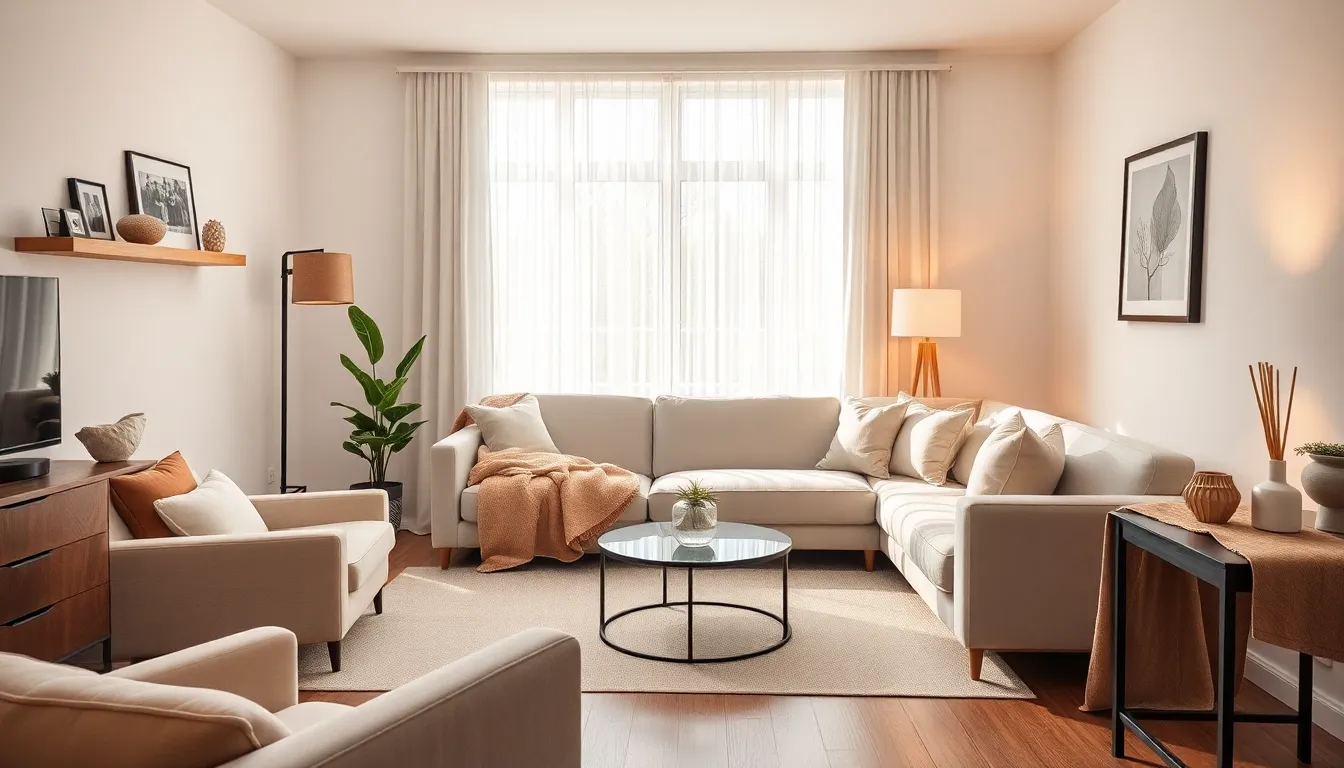
Furniture placement matters too. Rooms feel more welcoming when traffic flow is clear and seating arrangements encourage conversation. A sofa facing a wall of clutter sends a different message than one oriented toward a fireplace or window view. These home sweet home techniques create order without sacrificing personality.
Incorporate Personal Touches and Meaningful Decor
Generic decor feels generic. Hotel rooms prove this point, they’re clean and functional but rarely memorable. Home sweet home techniques emphasize personal connection over catalog perfection.
Family photos, travel souvenirs, and inherited objects tell stories. A framed concert ticket from a favorite show. A ceramic bowl picked up at a local market. These items carry meaning that mass-produced decor simply can’t replicate. They spark conversations and trigger happy memories.
Artwork doesn’t need to cost thousands. Local artists sell affordable pieces at markets and online. Children’s drawings, framed properly, become gallery-worthy. Even pages torn from old calendars or magazines can look intentional when grouped together in matching frames.
Textiles add warmth and personality quickly. A throw blanket draped over a chair, pillows in colors that bring joy, curtains that let in just the right amount of light, these choices communicate care. They also offer easy updates when tastes change. Home sweet home techniques recognize that a welcoming space reflects the people who live there, not a designer’s vision of what a home should look like.
Use Lighting and Scent to Set the Mood
Overhead lighting alone creates harsh, flat environments. Home sweet home techniques layer different light sources to build atmosphere. A single lamp can transform a room’s entire feeling.
Table lamps, floor lamps, and wall sconces provide options. Dimmer switches allow adjustment throughout the day. Warm bulbs (2700K-3000K) mimic natural evening light and feel more inviting than cool, blue-toned options. Candles add flickering warmth that no electric source quite matches.
Natural light deserves attention too. Sheer curtains diffuse harsh sunlight while still brightening rooms. Mirrors placed opposite windows bounce light deeper into spaces. Plants positioned near windows thrive and add life simultaneously.
Scent triggers memory and emotion faster than any other sense. A signature home scent creates instant recognition, the smell of walking through the front door becomes associated with comfort and safety. Candles, diffusers, and fresh flowers all contribute. Baking bread or simmering cinnamon on the stove works too.
These home sweet home techniques address the senses that often get overlooked. Vision matters, but smell and the quality of light shape how a space feels on a deeper level.
Create Cozy Comfort Zones Throughout Your Home
Every home needs spots designed specifically for relaxation. Home sweet home techniques identify these zones and optimize them for comfort.
A reading nook might be a chair by a window with a small side table and good lamp. A meditation corner could be a cushion on the floor with a plant nearby. These don’t require dedicated rooms, just intentional corners that serve specific purposes.
Bedrooms deserve special attention. Quality bedding makes a measurable difference in sleep quality. The bed should feel like a destination, not just a place to collapse. Soft textures, supportive pillows, and breathable fabrics turn sleeping spaces into sanctuaries.
Living rooms benefit from multiple seating options. Not everyone wants to sit on the main sofa. Floor cushions, ottomans, and accent chairs give people choices. This variety accommodates different moods and activities, watching a movie versus having a conversation versus reading alone.
Outdoor spaces count too, when available. A small balcony with two chairs and a plant becomes an extension of living space. Home sweet home techniques recognize that comfort zones aren’t limited to interior rooms.


