
Table of Contents
ToggleHome sweet home strategies help people transform their living spaces into places they genuinely enjoy. A home should feel comfortable, functional, and personal. Yet many people struggle to achieve this balance. They collect too much stuff. They buy furniture that looks good but doesn’t work. They fall into routines that make their space feel chaotic rather than calm.
The good news? Creating a home you love doesn’t require a massive budget or professional design skills. It requires intention. This guide covers practical home sweet home strategies that anyone can apply, from decluttering techniques to budget-friendly personalization ideas. Whether someone lives in a studio apartment or a four-bedroom house, these approaches will help them build a space that supports their daily life and reflects who they are.
Key Takeaways
- Home sweet home strategies focus on intention over budget—creating a space you love doesn’t require professional skills or major spending.
- Decluttering one area at a time prevents burnout and provides a clean foundation for organizing your living space.
- Design each room by identifying how you actually use it, balancing aesthetics with functionality for daily comfort.
- Establish daily reset routines (10 minutes morning and evening) to maintain an organized, welcoming home without marathon cleaning sessions.
- Personalize affordably with wall art, textiles, plants, and thrift store finds to transform a house into a home that reflects your style.
- Prevent future clutter by asking “Where will this live?” before every new purchase.
Decluttering and Organizing Your Living Space
Decluttering forms the foundation of most home sweet home strategies. A cluttered space creates mental noise. It makes rooms feel smaller and cleaning feel impossible. Starting with decluttering gives people a blank canvas to work with.
The most effective approach is to tackle one area at a time. Trying to declutter an entire house in a weekend leads to burnout and half-finished projects. Instead, start with a single drawer, closet, or room. Complete it fully before moving on.
Here’s a simple sorting system that works:
- Keep: Items used regularly or that bring genuine value
- Donate: Things in good condition that no longer serve a purpose
- Trash: Broken items, expired products, or things beyond repair
- Relocate: Belongings that belong in a different room
Once the clutter is gone, organization becomes easier. The key is giving every item a designated home. Storage bins, drawer dividers, and labeled containers help maintain order. Vertical storage, like wall-mounted shelves or over-door organizers, maximizes space in smaller homes.
One often-overlooked home sweet home strategy involves reducing future clutter. Before buying something new, people should ask: “Where will this live?” If there’s no clear answer, the purchase probably isn’t necessary. This habit prevents clutter from accumulating again.
Designing Rooms for Comfort and Functionality
Good design balances how a room looks with how it works. Many people focus only on aesthetics and end up with beautiful spaces that don’t support their actual lives. Effective home sweet home strategies consider both elements.
Start by identifying how each room gets used. A living room might need to accommodate movie nights, remote work, and kids’ playtime. A bedroom might serve as a sleeping space, reading nook, and meditation area. Understanding these functions shapes furniture choices and layout decisions.
Furniture arrangement matters more than most people realize. The basics include:
- Creating clear pathways for movement
- Positioning seating to encourage conversation
- Ensuring adequate lighting for each activity zone
- Keeping frequently used items within easy reach
Comfort comes from sensory details. Soft textiles like throw pillows and area rugs add warmth. Good lighting, a mix of overhead, task, and ambient sources, prevents eye strain and sets the mood. Temperature control and air quality also affect how comfortable a space feels.
Color choices influence both mood and perceived space. Lighter colors make rooms feel larger and more open. Darker shades create intimacy and coziness. Most home sweet home strategies recommend choosing a cohesive color palette and repeating it throughout connected spaces for visual flow.
Building Daily Routines That Foster a Welcoming Home
A welcoming home isn’t just about physical space, it’s about habits. Daily routines determine whether a home stays organized and comfortable or slides back into chaos. The best home sweet home strategies include systems for maintaining the space over time.
Morning and evening reset routines make the biggest difference. A 10-minute evening routine might include loading the dishwasher, wiping down kitchen counters, and putting away items left out during the day. A morning routine could involve making beds and opening curtains to let in natural light. These small actions compound over time.
Weekly cleaning schedules prevent tasks from piling up. Rather than marathon cleaning sessions, spreading tasks throughout the week keeps the workload manageable:
- Monday: Vacuum main living areas
- Wednesday: Clean bathrooms
- Friday: Change bedding and do laundry
- Sunday: Tidy common areas and prep for the week
Routines also apply to how people use shared spaces. Families benefit from establishing expectations around putting things away, managing shoes at the door, and handling mail and paperwork. These agreements reduce friction and help everyone contribute to home maintenance.
Seasonal routines round out effective home sweet home strategies. Quarterly tasks like deep-cleaning appliances, rotating seasonal items, and checking smoke detectors keep a home running smoothly without overwhelming anyone.
Budget-Friendly Ways to Personalize Your Space
Personalization transforms a house into a home. But making a space feel personal doesn’t require expensive renovations or designer furniture. Smart home sweet home strategies focus on high-impact, low-cost changes.
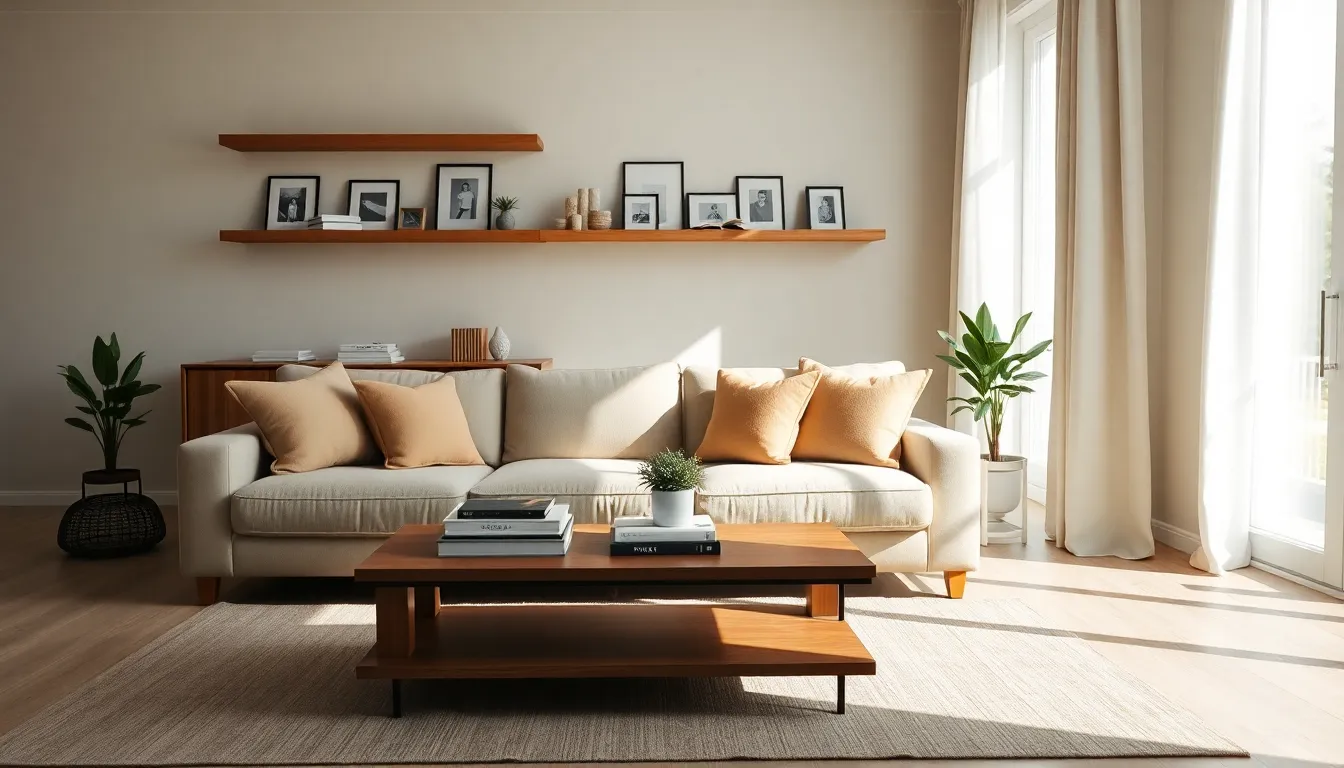
Wall art and photographs add personality instantly. Framing family photos, printing favorite travel pictures, or displaying affordable prints creates visual interest. Gallery walls work well for renters since they can be removed without major damage.
Textiles offer another affordable customization option. New throw pillow covers, curtains, or a statement rug can change a room’s entire feel for under $100. These items also allow for seasonal updates, switching to lighter fabrics in summer and warmer textures in winter.
Plants bring life and color to any space. They also improve air quality and create a sense of calm. For those without green thumbs, low-maintenance options like pothos, snake plants, and succulents thrive with minimal care.
DIY projects stretch decorating budgets further. Painting old furniture, creating custom shelving, or making artwork adds unique touches that can’t be bought in stores. YouTube tutorials make even complex projects accessible to beginners.
Thrift stores and estate sales provide quality items at fraction of retail prices. Vintage pieces add character and often feature better construction than mass-produced alternatives. With patience, people can find unique furniture, frames, and decorative objects that reflect their personal style.
These home sweet home strategies prove that meaningful personalization comes from intention rather than spending.


