
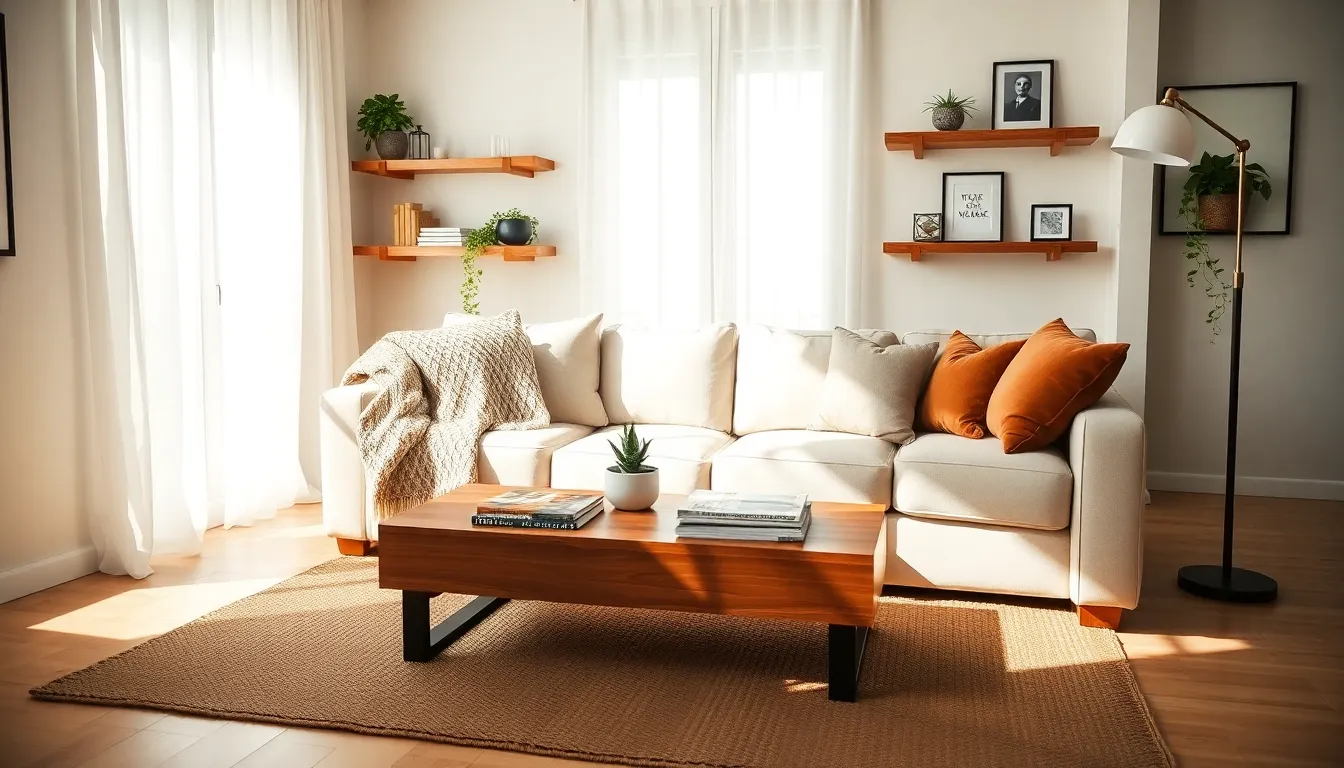
Table of Contents
ToggleA home sweet home guide helps people transform any house or apartment into a space that feels genuinely theirs. The difference between a place to sleep and a true sanctuary often comes down to intentional choices, lighting, textures, colors, and the small details that make a room feel lived-in rather than staged.
Whether someone just moved into a new space or wants to refresh their current home, this guide breaks down practical steps for creating comfort without very costly. From defining personal style to maintaining that welcoming atmosphere long-term, every section offers actionable advice that works in real homes with real budgets.
Key Takeaways
- A home sweet home guide helps you transform any space into a personal sanctuary through intentional choices in lighting, textures, and small details.
- Define your personal style first by identifying what genuinely brings you comfort—authenticity matters more than following trends.
- Layered lighting (ambient, task, and accent) is one of the most impactful ways to create a warm, inviting atmosphere in any room.
- Budget-friendly updates like paint, rearranging furniture, thrift store finds, and houseplants can dramatically transform your space without overspending.
- Maintain your home sweet home with regular decluttering, seasonal refreshes, and consistent cleaning routines to keep the welcoming atmosphere alive.
Defining Your Personal Home Style
Before buying a single throw pillow, homeowners should understand what style actually speaks to them. A home sweet home starts with authenticity, not copying a Pinterest board exactly, but identifying the elements that create genuine comfort.
Start by asking simple questions: Does a minimalist space feel calming or cold? Do warm woods and earth tones bring joy, or does a crisp, modern aesthetic feel more like home? There’s no wrong answer here.
Identifying Style Preferences
Pull inspiration from multiple sources. Flip through magazines, save social media posts, or walk through furniture stores without the pressure to buy. Patterns will emerge. Maybe it’s mid-century modern chairs paired with bohemian textiles. Maybe it’s farmhouse simplicity with industrial accents.
The goal isn’t to fit into one category. Most people land somewhere between styles, and that blend creates personality. A space that feels like home sweet home reflects the person living there, not a design trend.
Working With What Exists
Few people start from scratch. Most homes come with existing flooring, architectural features, or furniture that needs to stay. Smart decorating works with these elements rather than fighting them. That outdated brick fireplace? It might become a character-defining focal point with the right styling around it.
Essential Elements of a Cozy Home
Certain elements appear in nearly every comfortable home. Understanding these basics gives anyone a foundation to build upon.
Lighting Matters More Than People Think
Overhead lighting alone creates harsh, unwelcoming spaces. Layered lighting transforms a room. This means combining ambient light (overhead fixtures), task lighting (reading lamps, under-cabinet lights), and accent lighting (candles, string lights, backlit shelves).
Dimmers cost little but change everything. They allow the same room to shift from productive workspace to relaxing retreat with one adjustment.
Textiles Add Warmth
A home sweet home guide wouldn’t be complete without discussing soft surfaces. Rugs anchor spaces and add warmth underfoot. Throw blankets invite people to curl up. Curtains soften hard lines and control light.
Mixing textures creates visual interest, a velvet pillow next to a chunky knit throw, or a smooth leather chair paired with a woven basket. These contrasts make spaces feel collected rather than catalog-ordered.
Temperature and Scent
Physical comfort extends beyond visuals. A home that’s always too hot or too cold never feels welcoming. Addressing drafts, investing in good climate control, and using fans strategically all contribute to comfort.
Scent ties memories to spaces. Fresh flowers, subtle candles, or simply opening windows for fresh air, these small touches register subconsciously and make a house feel like home sweet home.
Room-by-Room Tips for Comfort and Function
Different rooms serve different purposes. A successful home sweet home guide addresses each space’s unique needs.
Living Room
This room handles the most varied activities, entertaining, relaxing, sometimes working. Furniture arrangement matters here. Create conversation areas where people naturally face each other. Leave clear pathways. Include surfaces for drinks and remotes within arm’s reach.
A good living room balances openness with coziness. Too sparse feels sterile: too cluttered feels chaotic.
Bedroom
Sleep quality depends partly on environment. Keep bedrooms cool, dark, and quiet. Invest in good bedding, people spend roughly a third of their lives in bed, so quality sheets and pillows pay dividends in daily energy.
Limit electronics when possible. Screens before sleep disrupt rest, and chargers create visual clutter. A bedroom should signal relaxation the moment someone enters.
Kitchen
Functionality rules here. Clear countertops make cooking enjoyable rather than frustrating. Store frequently used items within easy reach. Group tools by task, coffee station, prep area, cooking zone.
Even renters can add personality through textiles (dish towels, rugs), plants, or decorative storage containers.
Bathroom
Small changes create spa-like feelings. Rolled towels, a plant that thrives in humidity, matching containers for toiletries, these details elevate daily routines. Good lighting near mirrors prevents frustration during grooming tasks.
Budget-Friendly Ways to Transform Your Space
Creating a home sweet home doesn’t require unlimited funds. Strategic spending and creative solutions stretch any budget.
Paint Changes Everything
A gallon of paint costs under $50 but transforms entire rooms. Even accent walls make significant impact. Don’t overlook ceilings, a slightly different shade adds unexpected dimension.
Rearrange Before Buying
Sometimes the solution isn’t new furniture but better placement. Try moving pieces between rooms. That side table gathering dust in the bedroom might be perfect for the entryway. Swap art between spaces for a fresh look without spending anything.
Thrift Stores and Secondhand Markets
Quality furniture exists in thrift stores, estate sales, and online marketplaces. Solid wood pieces from decades past often outlast modern particle board alternatives. A fresh coat of paint or new hardware updates dated pieces affordably.
Plants Bring Life
Nothing adds warmth quite like living greenery. Low-maintenance options like pothos, snake plants, and ZZ plants thrive with minimal attention. They purify air and add color without ongoing expense.
DIY Where Skills Allow
Simple projects yield professional results, reupholstering dining chairs, building floating shelves, or creating gallery walls from thrifted frames. YouTube tutorials make many projects accessible to beginners.
Maintaining a Warm and Inviting Atmosphere
A home sweet home requires ongoing attention. Initial decorating efforts fade without maintenance habits.
Regular Decluttering
Stuff accumulates. Papers pile up, closets overflow, and surfaces disappear under daily debris. Schedule regular purges, quarterly works for most households. Donate, recycle, or discard items that no longer serve a purpose.
The less clutter present, the more the intentional design choices shine through.
Seasonal Refreshes
Swapping accessories seasonally keeps spaces feeling current. Heavier textiles in winter, lighter fabrics in summer. Different candle scents, rotating artwork, or changing pillow covers, small updates prevent visual fatigue.
Cleaning Routines
A dirty home never feels welcoming, regardless of decoration quality. Establish routines that prevent overwhelming cleaning sessions. Daily tidying, weekly vacuuming, and monthly deep-cleaning keep spaces consistently presentable.
Welcome Natural Light
Open curtains during daylight hours. Clean windows regularly, dirty glass reduces light transmission noticeably. Mirrors placed opposite windows amplify natural light in darker rooms.


