
Table of Contents
ToggleThe best home sweet home isn’t about square footage or expensive furniture. It’s about how a space makes people feel when they walk through the door. Some houses look perfect in photos but feel cold. Others have mismatched chairs and old rugs but radiate warmth the moment someone steps inside.
Creating a cozy home takes intention, not necessarily a big budget. The right combination of textures, lighting, scents, and personal items can transform any space into a welcoming retreat. This guide covers practical ideas for making any house feel like the best home sweet home possible, whether it’s a studio apartment or a sprawling family house.
Key Takeaways
- The best home sweet home prioritizes warmth, comfort, and personal meaning over expensive furniture or square footage.
- Small changes like warm lighting, soft textiles, and indoor plants can instantly transform any space into a welcoming retreat.
- Meaningful objects like family photos, travel souvenirs, and hobby items add soul and personality to your living space.
- Engage all the senses by incorporating pleasant scents, soft textures, and sound preferences that match your lifestyle.
- Create cozy corners and dedicated spaces for daily rituals to make your house feel truly lived-in and intentional.
- Seasonal updates with lighter fabrics in summer and warm textures in winter keep your home feeling fresh year-round.
What Makes a House Feel Like Home
A house becomes a home when it reflects the people living in it. The best home sweet home spaces share a few common traits: they feel lived-in, comfortable, and distinctly personal.
Warmth plays a big role. This doesn’t just mean temperature (though nobody feels cozy while shivering). Visual warmth matters too. Rooms with soft textures, natural materials, and gentle lighting tend to feel more inviting than spaces filled with hard edges and harsh overhead bulbs.
Familiarity also contributes to that home sweet home feeling. People feel most comfortable surrounded by objects that hold meaning, family photos, souvenirs from travels, artwork created by loved ones. These items tell a story and remind residents why they chose this particular space.
Smell is often underrated. The scent of fresh coffee, baking bread, or a favorite candle can trigger powerful emotional responses. Many real estate agents bake cookies before open houses for exactly this reason. A home that smells good feels good.
Finally, sound affects how homey a space feels. Some people love complete silence. Others need background music or the hum of activity. The best home sweet home environment matches the sound preferences of its inhabitants.
Simple Ways to Create a Welcoming Atmosphere
Creating a welcoming atmosphere doesn’t require a renovation. Small changes can make a significant difference in how a space feels.
Lighting adjustments offer one of the quickest wins. Swapping harsh overhead lights for lamps with warm bulbs instantly softens a room. Dimmer switches provide flexibility, bright for working, soft for relaxing. Candles add both light and atmosphere (just don’t leave them unattended).
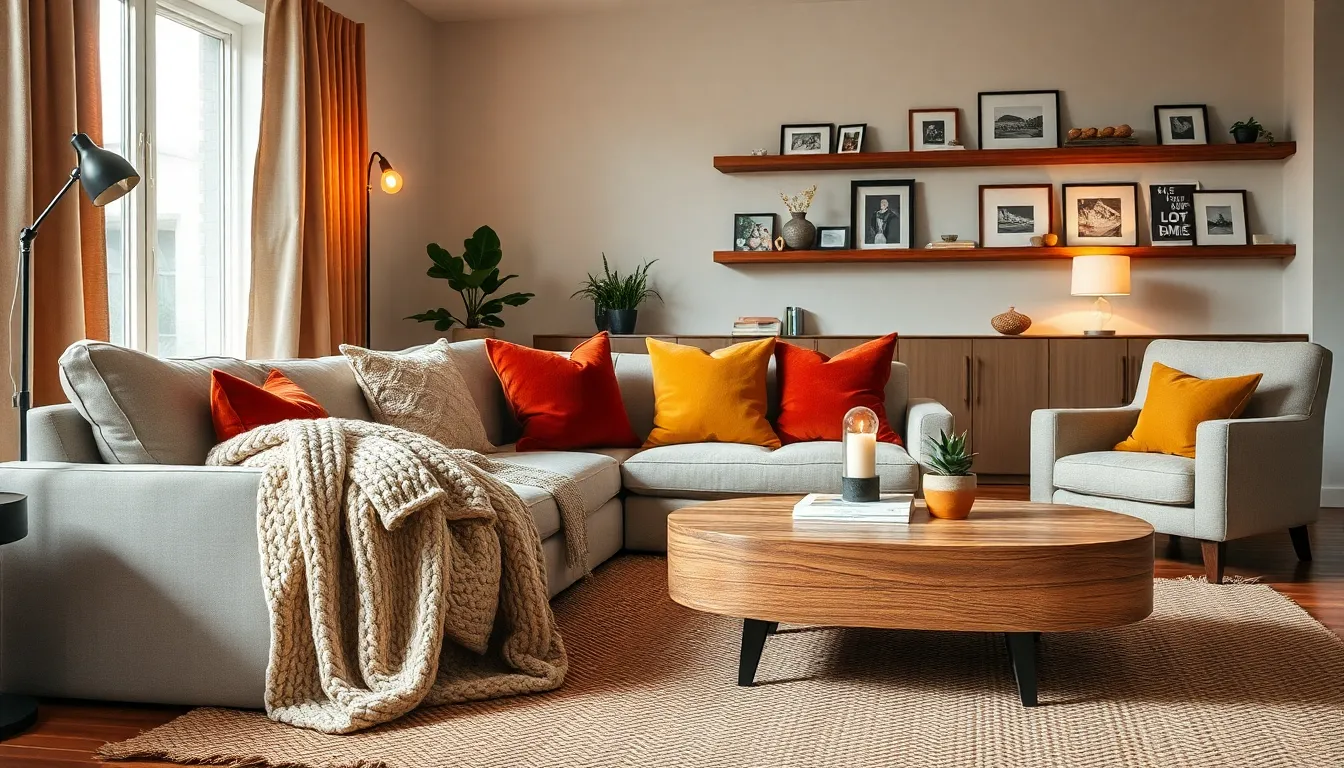
Textiles transform spaces. A throw blanket draped over a couch invites people to get comfortable. Area rugs define spaces and add warmth underfoot. Curtains soften windows and help control natural light. These additions make even minimalist rooms feel like a proper home sweet home.
Plants bring life indoors. They purify air, add color, and create a connection to nature. People who lack green thumbs can start with hardy options like pothos, snake plants, or succulents. Even a few small plants on a windowsill make a room feel more alive.
Decluttering helps too. Clutter creates visual noise that makes relaxation difficult. The best home sweet home environments have enough stuff to feel personal but not so much that they feel chaotic. A good rule: if an item doesn’t serve a purpose or bring joy, consider letting it go.
Decorating Tips for a Homey Vibe
Decorating for coziness follows different rules than decorating for style magazines. The goal isn’t perfection, it’s comfort.
Choose furniture that invites sitting. Deep sofas with soft cushions beat stiff, formal pieces every time. Chairs should be wide enough to curl up in. The best home sweet home living rooms have at least one spot where someone can truly relax.
Layer textures throughout the space. Combine smooth surfaces with rough ones, soft fabrics with hard materials. A leather chair with a chunky knit throw. A wooden coffee table with a velvet ottoman nearby. These contrasts add visual interest while maintaining warmth.
Use warm colors strategically. Cool whites and grays can feel sterile in large doses. Adding warm accents, rust, mustard, terracotta, deep greens, brings life to neutral spaces. Paint isn’t the only option: pillows, artwork, and accessories work just as well.
Create cozy corners. Not every inch of a home needs to serve a major function. A reading nook with a comfortable chair and good lamp. A window seat with cushions. A small desk area with personal touches. These dedicated spaces make a house feel like a home sweet home because they show intention.
Don’t forget the bedroom. Many people focus decorating efforts on common areas guests will see. But the bedroom matters most for daily comfort. Quality bedding, blackout curtains, and minimal electronics create better sleep environments.
Building Comfort Through Personal Touches
Personal touches separate a generic living space from the best home sweet home environment. These details don’t need to be expensive, they just need to mean something.
Display meaningful objects. Framed family photos, children’s artwork, travel souvenirs, and inherited pieces all tell stories. A shelf of books someone actually reads feels different from purely decorative volumes. Objects with history add soul to a space.
Incorporate hobbies into the decor. A guitar on a stand serves as both instrument and decoration. Knitting supplies in a pretty basket add color and texture. Collections displayed thoughtfully, vintage cameras, vinyl records, interesting rocks, reflect personality while adding visual interest.
Create rituals around the space. The best home sweet home environments support daily habits. A coffee station for morning routines. A cozy reading spot for evening wind-down. A meditation corner for quiet moments. These dedicated areas make a house feel truly lived-in.
Include scent intentionally. Candles, diffusers, fresh flowers, or simmering spices on the stove create scent memories. Over time, these smells become associated with home itself. Visitors often notice these touches first.
Update seasonally. Swapping out a few items each season keeps spaces feeling fresh without major overhauls. Lighter fabrics and flowers in summer: chunky knits and warm candles in winter. This practice reinforces the home sweet home feeling by marking the passage of time.


