
Table of Contents
ToggleThe phrase “home sweet home” carries weight far beyond its three simple words. People use it after long trips, whisper it while unlocking their front doors, and hang it on walls in kitchens worldwide. But where did this expression come from, and why does it resonate so deeply across cultures and generations?
Home sweet home represents more than a physical structure. It captures the feeling of belonging, safety, and comfort that a true home provides. This article explores the origins of this beloved phrase, examines why home holds such emotional power, and considers how the meaning of home continues to shift in modern life.
Key Takeaways
- The phrase “home sweet home” became popular in 1823 through John Howard Payne’s song in the opera Clari, or the Maid of Milan.
- Home provides three essential emotional benefits: safety, a container for memories, and a reflection of personal identity.
- Creating a home sweet home doesn’t require wealth—it requires personal touches, physical comfort, daily routines, and community connection.
- The concept of home has evolved from pre-industrial live-work spaces to suburban retreats, and now to flexible spaces shaped by remote work and technology.
- Despite cultural and historical changes, the universal human longing for a place that feels like home sweet home remains constant across generations.
The Origins and History of the Saying
The phrase “home sweet home” gained widespread popularity in 1823 through an opera called Clari, or the Maid of Milan. American actor and playwright John Howard Payne wrote the lyrics for a song titled “Home. Sweet Home.” English composer Henry Bishop created the melody. The song became an instant sensation on both sides of the Atlantic.
Payne wrote these famous words while living in poverty in Paris, far from his American homeland. The irony cuts deep, he penned one of history’s most beloved tributes to home while homeless himself. The song’s opening lines still echo today: “Mid pleasures and palaces though we may roam, Be it ever so humble, there’s no place like home.”
The sentiment behind home sweet home existed long before Payne’s song, of course. Ancient civilizations valued domestic life and the safety of their dwellings. Roman households honored Vesta, goddess of the hearth. Greek culture celebrated the concept of oikos, the family home as the foundation of society.
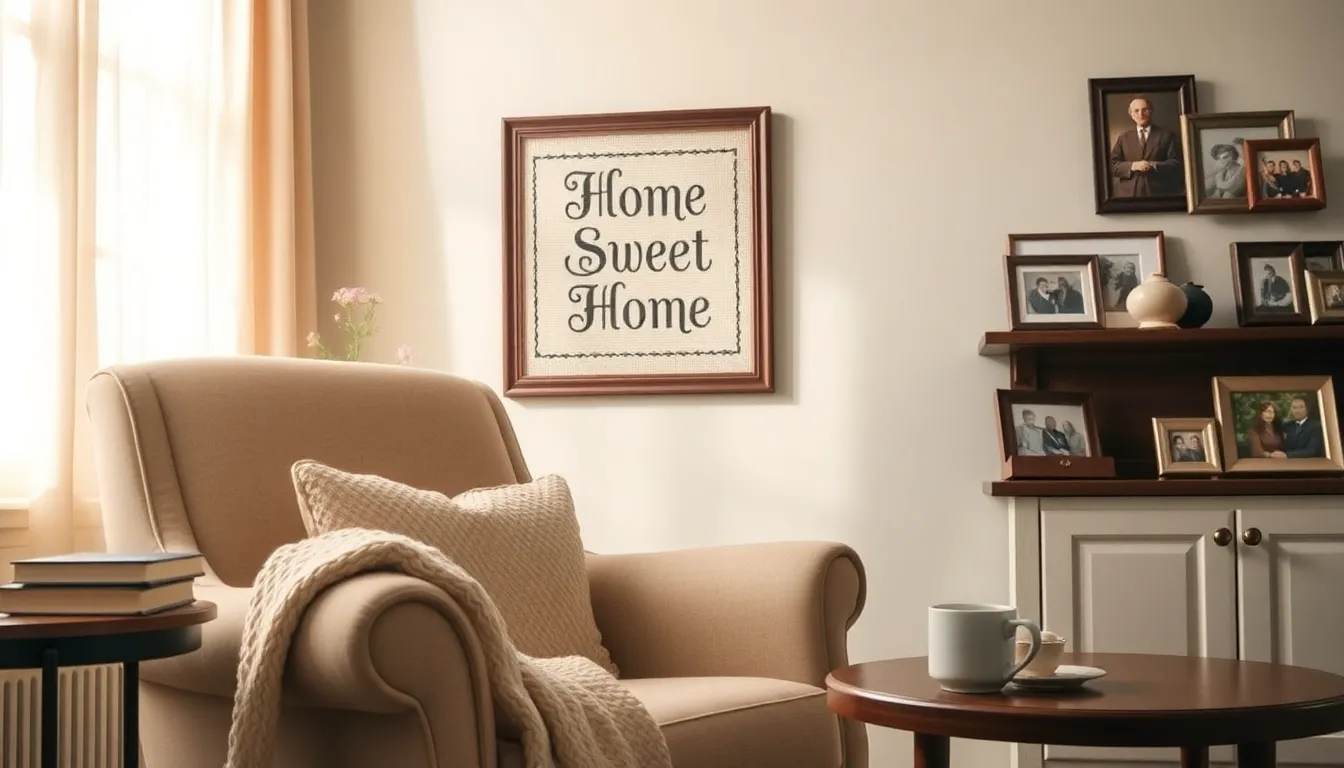
By the Victorian era, home sweet home had become a cultural phenomenon. Cross-stitch samplers bearing the phrase decorated parlors across England and America. The Industrial Revolution drove many people from rural homes into crowded cities, making the idealized vision of home even more precious. Home sweet home represented stability in an unstable world.
The phrase has maintained its relevance for over two centuries. It appears in films, songs, advertisements, and everyday conversation. Few expressions have demonstrated such staying power, and that longevity speaks to something universal about the human need for home.
Why Home Holds Such Deep Emotional Significance
Home sweet home taps into fundamental human psychology. Researchers have identified several reasons why home carries such emotional weight.
First, home provides safety. From an evolutionary standpoint, humans needed secure shelter to survive. That primal need still influences how people feel about their living spaces today. A home offers protection from weather, danger, and the outside world. This sense of security runs deep in human biology.
Second, home serves as a container for memories. Birthday parties, holiday gatherings, quiet Sunday mornings, these experiences accumulate within walls and rooms. The smell of a childhood kitchen or the creak of a familiar staircase can trigger powerful emotional responses. Home becomes a physical archive of personal history.
Third, home represents identity. People express themselves through their living spaces. The colors they choose, the objects they display, the way they arrange furniture, all these choices reflect who they are. Home sweet home isn’t just about the structure. It’s about the self contained within.
Psychologist Mihaly Csikszentmihalyi studied how people relate to their possessions and homes. He found that domestic objects often serve as symbols of personal identity and family continuity. A grandmother’s chair or a child’s artwork on the refrigerator connects people to their relationships and histories.
Homesickness demonstrates the power of this attachment. When separated from home, many people experience genuine physical and emotional distress. The concept of home sweet home acknowledges this bond between person and place. It validates the deep human need to belong somewhere.
Creating a Space That Truly Feels Like Home
What transforms a house or apartment into a home sweet home? The answer varies from person to person, but several common elements contribute to that feeling of arrival.
Personal Touches Matter
Photographs, artwork, books, and collected objects help make a space feel personal. These items tell a story. They remind residents of experiences, relationships, and values. A bare apartment might be clean and functional, but it won’t feel like home sweet home without evidence of the people living there.
Comfort Creates Connection
Physical comfort plays a crucial role. A cozy reading chair, soft lighting, comfortable bedding, these sensory experiences shape how people feel in their space. Temperature, sound, and smell also influence the home experience. Fresh flowers, a scented candle, or the aroma of cooking can make a space feel welcoming.
Routine Builds Belonging
Daily rituals help people bond with their homes. Morning coffee in a favorite spot, evening routines in the bedroom, weekend cooking in the kitchen, these repeated actions create emotional connections to specific spaces. Home sweet home emerges through lived experience, not just decoration.
Community Extends the Feeling
For many people, home sweet home includes the neighborhood and community surrounding their dwelling. Friendly neighbors, familiar shops, local parks, these external elements contribute to the overall sense of home. A great apartment in an unfamiliar area may feel less like home than a modest place in a beloved neighborhood.
Creating a home sweet home doesn’t require wealth or a large space. It requires intention, personal expression, and time.
How the Concept of Home Has Evolved Over Time
The meaning of home sweet home has shifted significantly throughout history. Understanding these changes helps explain contemporary attitudes toward domestic life.
In pre-industrial societies, home and work often occupied the same space. Farmers lived on their land. Craftspeople maintained workshops in their dwellings. Home sweet home meant the place where all of life happened.
The Industrial Revolution separated work from home for many families. Men increasingly left for factories and offices while women managed domestic affairs. Home became associated with rest, family, and private life, a retreat from the public world of commerce and labor.
The twentieth century brought further changes. Suburbanization in America created new visions of home sweet home, single-family houses with yards, garages, and white picket fences. This model became embedded in popular culture through television shows and advertisements.
Today, technology continues to reshape the concept of home. Remote work has blurred the line between domestic and professional space once again. Video calls bring the outside world into living rooms and kitchens. Smart home devices change how people interact with their environments.
Mobility also affects modern ideas of home sweet home. Many people relocate multiple times throughout their lives for education, careers, or relationships. This pattern challenges traditional notions of home as a permanent, fixed location. Some people now speak of carrying home within themselves or creating home sweet home wherever they land.
Even though these changes, the core desire behind the phrase remains constant. People want to feel safe, comfortable, and truly themselves somewhere. The form may change, but the longing for home sweet home persists.


